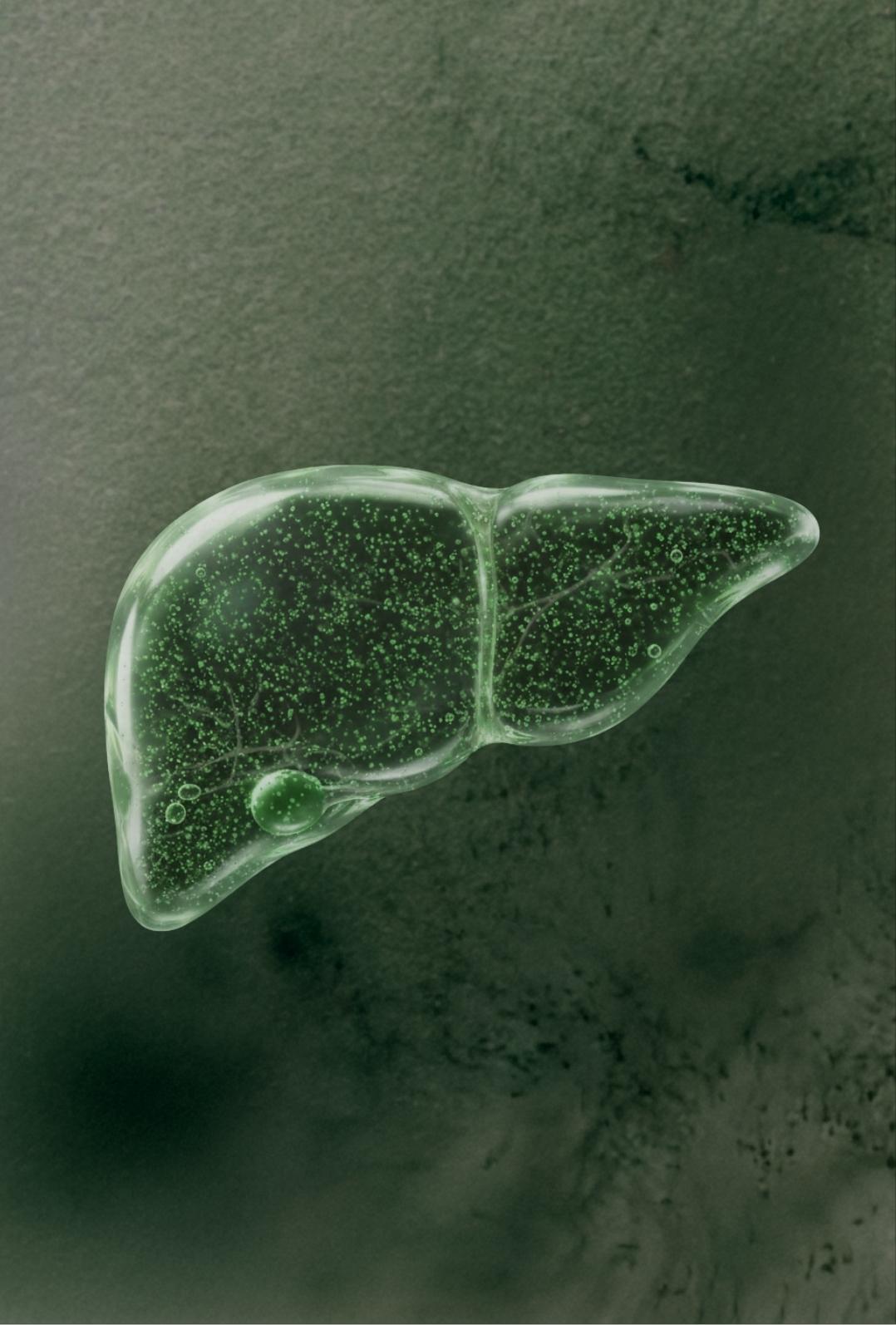
Tournée Minérale: A month without alcohol, what does that do to your body?
Every year, one in five Belgians takes part in Tournée Minérale -
The entire month of February is alcohol-free. The campaign is always a huge success.
A month without alcohol is therefore great for your body. What are the
Effects of a month of Tournée Minérale? How do you cope? And how do you give yourself
body a real reset?
Why an alcohol-free month?
Tournée Minérale —an initiative of Druglijn—is comparable to the global "Dry January" challenge. It's a challenge that's becoming increasingly popular. The timing of Tournée Minérale is also well-chosen. In February, the New Year's receptions are behind us, and we haven't forgotten our New Year's resolutions. Perfect.
So it's no wonder so many people are taking a break from alcohol with Tournée Minérale. The benefits of an alcohol break can be noticeable after just a few days. After a month without alcohol, there's definitely a positive impact. Not only on your physical health, but also on your mental health. Some Tournée Minérale participants therefore continue their alcohol break for a little longer. Or they quit altogether.
Physical Benefits of an Alcohol Break
Improved liver function
Alcohol is very taxing on the liver , the body's primary detoxification organ. After a month without alcohol, the liver can begin to repair any damage. The liver can then function more efficiently again, allowing toxins to be removed more effectively.
Better sleep quality
Alcohol can help you fall asleep faster. Hence the idea of having a "nightcap" before bed. However, you won't feel rested the next day. Alcohol disrupts the REM sleep cycle. Moreover, you'll wake up more often during the night. Without the disruptive effects of alcohol, you'll sleep more deeply and wake up feeling more refreshed in the morning.
Weight loss
Alcoholic beverages contain a lot of calories with no nutritional value. A month without alcohol can therefore lead to weight loss, because you automatically consume fewer calories. At the same time, your metabolism and fat burning ability can improve.
Healthier skin
If you want radiant skin, it's best to avoid alcohol. Alcohol can contribute to dry skin and cause inflammation. After a month without alcohol, many people notice an improvement in their skin texture and clarity.
Mental benefits
Clarity and focus
Many people find they can concentrate better throughout the day when they abstain from alcohol for a period. They feel more productive and have sharper mental focus.
Better mood
Drinking alcohol can initially make you feel happier. But as your body breaks it down, it also has a depressing effect. Quitting drinking can stabilize your mood. You'll feel more balanced and generally happier.
Less fear
Regular alcohol consumption can increase feelings of anxiety. A month without alcohol can help reduce these feelings.

The effect of alcohol
Let's not forget: alcohol is not healthy. But because
that glass is so socially accepted, it is very difficult to drink it completely
delete. However, alcohol can cause physical and psychological damage,
especially with excessive use. And then we haven't even mentioned the financial,
social or family consequences of alcohol abuse. If you can control your alcohol consumption
limiting, there doesn't have to be a problem. But it is important to
to deal with it consciously.
Why is alcohol so tempting?
When you consume alcohol, it's quickly absorbed through the stomach and intestinal walls into the bloodstream. This has an almost immediate effect on the central nervous system . You usually feel more relaxed and less inhibited after drinking alcohol. These effects are due to alcohol's impact on the functioning of neurotransmitters in your brain.
Your liver is the first to become insulin resistant
The liver can store an average of 80 to 120 grams of glycogen, which is equivalent to about 20 to 30 sugar cubes. This constitutes our temporary sugar supply . Once this supply is saturated, the body must process excess sugar in other ways. Over time, this increases the risk of insulin resistance.
The causes of insulin resistance
Insulin resistance is a metabolic dysfunction that can contribute to fatty liver disease over time. There are two main causes. Lack of exercise prevents us from using our temporary sugar stores sufficiently. And through ultra-processed foods, our liver is constantly being forced to process fast-acting sugars.
As a result, we need more and more insulin, making our liver cells less sensitive to it over the long term. This reduced sensitivity begins in the liver and eventually spreads to other body cells, including those in our muscles. This process is called insulin resistance. Blood sugar levels then spike more frequently, and glucose is less readily absorbed into the cells. The body responds by producing even more insulin, further compromising sugar metabolism.
This excess insulin stimulates fat storage. With insulin resistance, we therefore often see an increase in fat storage, especially in the abdominal region . Another clear sign of insulin resistance can be persistent fatigue, as insufficient glucose reaches the cells to provide energy.
The liver also determines how your body handles fat
In addition to sugar metabolism, the liver is also responsible for our fat metabolism . After each meal, the liver decides whether fats will be used as energy, stored temporarily, or converted for later use.
But fat doesn't just enter our liver through our meals. When we consume more energy than we use—for example, through a sugary diet or a lack of exercise—the liver also converts excess sugar into fat.
These fats are partly stored in adipose tissue, but when overloaded, they can also accumulate in the liver itself, leading to fatty liver disease . During periods of fasting, between meals or at night, the liver switches to burning fat . It then releases energy from fatty acids to fuel the body.
The liver ensures your hormonal balance
Every day, the liver also plays a vital role in breaking down, converting, and regulating hormones such as estrogen, cortisol, and thyroid hormones . When your liver is functioning properly, these hormones can circulate in the right amounts.
Stress, alcohol, medication, a sugary diet, or simply too much stimulation can overload your liver. Its natural detoxification capacity slows down, which can lead to hormonal imbalance . This manifests itself in fluctuations in energy, mood swings, PMS symptoms, PCOS, or moderate to severe symptoms during (peri)menopause.
But the hormonal impact goes even further. A growing number of studies ⁶ ⁷ show that fatty liver disease (MAFLD/NAFLD) is linked to reduced fertility . This applies to both women (through an increased risk of PCOS, anovulation, and hormonal dysregulation) and men (through lower testosterone levels and poorer sperm quality).
Immunity starts in your liver
The liver is also a vital link in your immune system . It constantly filters bacteria, viruses, and other invaders from the blood, producing important immunoproteins that strengthen your immune system.
These functions allow your body to respond faster and more effectively to infections and inflammation . Moreover, a healthy liver supports cooperation between immune cells and other organs, keeping your defenses balanced and your resistance functioning optimally.
Production and storage of nutrients
Finally, the liver also plays a central role in storing and producing nutrients. For example, the liver stores essential vitamins and minerals (such as vitamin A, D, B12, and iron) and releases them when your body needs them.
In addition, the liver produces a range of important proteins , including blood clotting factors and albumin. These substances are crucial for blood clotting, nutrient transport, and proper fluid balance in your body.
An overloaded liver: typical of this time
Our liver has always played a crucial role in our bodies. But today, the pressure on our livers has increased significantly. Think of stress, medication, poor or irregular sleep, processed foods, constant eating, frequent snacking, fatty and sugary meals, air pollution, and lack of exercise.
Problem 1: Detox always comes last
When the liver is already overloaded during the day, it continues to function at night as if it were still daytime. There's hardly any time left for detoxification and recovery. Toxins accumulate in the liver, and cell damage occurs. As a result, the liver's ability to perform its functions increasingly diminishes.
Problem 2: Your liver's detoxification power is limited
Glutathione is our body's most important antioxidant, and is primarily found in the liver. The body produces glutathione itself, using dietary amino acids such as cysteine, glycine, and glutamine. Although glutathione is only absorbed in limited quantities from food, certain foods can support its production. Sulfur-rich vegetables like broccoli, cauliflower, and garlic are excellent examples, but avocado, spinach, and asparagus also provide important building blocks for this essential antioxidant.
The consequences of a glutathione deficiency
Glutathione is primarily found in our cells and not in the blood, so there are few reliable figures on how often a deficiency occurs. It is known, however, that a glutathione deficiency plays a role in various health problems, including fatty liver disease, inflammation, aging, and impaired defense against oxidative damage . Therefore, maintaining sufficient glutathione stores is often considered a key to a healthy liver and optimal cell protection.
How can you know if your liver is overloaded?
Your body often gives you signals. Waking up during the night, typically between 2 and 4 a.m., for example, is a clear sign that your liver is under stress at night. Unfortunately, these signals are often misunderstood, and we opt for "solutions" that don't address the real cause. In fact, some solutions even put additional strain on your liver. Think of sleeping pills: it's your liver that has to break down and remove the toxins from these medications.
What are the possible consequences of an overloaded liver?
Precisely because the liver has so many tasks in our body, an overloaded liver can lead to many complaints:
Energy and fatigue
- Chronic fatigue despite sufficient sleep
- Low energy during the day
- Quickly exhausted during physical exertion
- Listlessness or lack of motivation
Digestion
- Bloating and flatulence
- Nausea or mild abdominal pain
- Decreased appetite or intolerances
- Slow bowel movements or constipation
- High-fat meals are less well tolerated
Skin and hair
- Acne or pimples
- Dull skin or reduced skin elasticity
- Itching or eczema
- Accelerated aging of skin and hair
Concentration and memory
- Concentration problems or brain fog
- Memory problems or forgetfulness
- Headache or mild migraine
- Decreased mental clarity
Weight and metabolism
- Difficulty losing weight
- Weight gain despite healthy eating
- Fluctuating blood sugar levels
- Problems with fat and sugar metabolism
- Increased fat storage in the abdominal area
Hormonal balance
- PMS symptoms, cramps, mood swings
- PCOS-related complaints (irregular cycle, acne, weight gain)
- Peri- or menopausal complaints such as hot flashes and mood swings
- Thyroid dysfunction (bloating)
- Excessive stress hormones (cortisol) that affect energy levels and sleep
- Fertility problems in both women and men
Immunity
- Slow recovery from a cold or flu
- Greater susceptibility to infections
- Allergies or inflammation sensitivity
- Reduced resistance to physical or mental stress
The impact of alcohol
The liver normally processes harmful substances primarily at night. This process changes with alcohol. Due to the toxicity of the breakdown product acetaldehyde, the breakdown of alcohol always takes priority.
The morning after drinking alcohol, you often feel like you haven't slept. This makes sense, because while the liver was busy breaking down alcohol, maintaining stable blood sugar levels was less of an issue.⁸ This drastically reduces the quality of your sleep , and you wake up feeling tired.
In addition, regular alcohol consumption can lead to fatty liver disease over time. When the liver constantly has to process alcohol, fat storage in liver cells increases. This places additional strain on the liver and, over time, can contribute to metabolic dysregulation, insulin resistance, and chronic liver problems.
It's not just alcohol that's the problem
For a long time, it was thought that liver problems were always linked to alcohol abuse. It wasn't until the 1980s that scientists first described the phenomenon of non-alcoholic fatty liver disease (NAFLD) . For the first time, lifestyle factors were also mentioned as possible causes. These included insufficient exercise, ultra-processed foods, stress, insufficient sleep, and medication.
The problem goes much further, because every aspect of our lifestyle can put extra strain on our liver. Even when you eat healthily and exercise enough, our Western lifestyle puts pressure on the liver's detoxification capacity.
A holistic approach to liver health
In recent years, understanding of fatty liver disease has evolved significantly. While it used to be emphasized that fatty liver disease wasn't solely the result of excessive alcohol consumption, the focus has now shifted to the underlying metabolic processes that play a central role. This doesn't, of course, rule out the influence of alcohol, but it does clarify that fatty liver disease can also develop independently of alcohol consumption.
The term NAFLD (Non-Alcoholic Fatty Liver Disease) was long used to describe fatty liver disease in people who drank little or no alcohol. While this term made it clear that alcohol wasn't always the primary cause, it offered little insight into the underlying mechanisms. As a result, the picture of fatty liver disease often remained too vague and limited.
Since 2023, the term MAFLD (Metabolic Dysfunction-Associated Fatty Liver Disease) has been increasingly used. This designation explicitly links metabolic dysregulation as a driving force behind fatty liver disease. Examples include insulin resistance, impaired blood sugar regulation, obesity, or abnormal blood lipids. The shift from NAFLD to MAFLD is more than semantic: it reflects a deeper understanding of the role of lifestyle and metabolism in liver health.
Within this spectrum, there is also a more severe form, MASH (Metabolic Dysfunction-Associated Steatohepatitis). This involves not only fat accumulation in the liver but also active inflammation and damage to liver cells. This stage significantly increases the risk of fibrosis and further liver damage and requires a timely and targeted approach.
Development of a fatty liver
When your liver is chronically or long-term overloaded, it increases the risk of fatty liver disease. Excessive fats accumulate in the liver cells, gradually disrupting liver function. How this fat storage in the liver increases is a complex process. Although much research is still needed to fully understand everything, scientists have already uncovered the key mechanisms¹⁰. Genetic factors play a role, but lifestyle significantly increases the risk of fatty liver disease . It has been called the "disease of the future" because constant liver strain has become almost unavoidable.
How liver overload leads to fatty liver disease and ultimately liver damage is a process that begins with insufficient liver detoxification capacity . This results in metabolic dysfunction¹¹, followed by oxidative stress, inflammatory, and immune responses, ultimately resulting in cell damage.
How do you know if your liver is overloaded or fatty?
Initially, your body tries to compensate for oxidative stress with its own antioxidants, the most important of which is glutathione. As long as your glutathione stores are sufficient, you can handle the overload and won't experience any symptoms, despite the enormous strain on your liver.
But when the overload lasts too long or is too severe, you develop problems such as difficult weight management, hormonal imbalances, and acne. Various tests—from blood tests and ultrasounds to scans—are available to assess liver health. The problem with all these medical tests is that they often only reveal abnormalities after damage has already occurred.
What can you do in case of liver damage?
The good news is that the liver has an enormous capacity for self-healing or regenerative healing . Even when 50 to 70% of the tissue has been removed or damaged, the liver can often fully recover if the underlying causes are addressed. The damage that occurs before cirrhosis develops can often be reversed, especially if timely intervention is provided through lifestyle, nutrition, and additional supportive ingredients.
Tips for a liver-friendly lifestyle
Give your digestion enough rest
The liver needs rest to function optimally. Therefore, it's important to plan your meals to give the organs sufficient recovery time. Keep your meals rich in protein and healthy fats. This will keep you feeling full longer, reduce cravings, and often eliminate the need for snacks. Aim for three complete meals a day , with half your plate consisting of vegetables and fiber, a quarter from a good source of protein, and a quarter from carbohydrates.
Research¹² shows that periods of fasting between meals give the liver the opportunity to recover and detoxify. By not eating constantly, the liver has time to perform its functions efficiently.
Avoid processed foods and choose fiber
Limit highly processed foods high in added sugars, fructose, and trans fats. Examples include prepackaged bread, cookies, and pastries, as well as soft drinks, juices, processed meats like salami, and ready-made meals. Instead, choose whole foods like vegetables, fruit, whole grains, and legumes. Cruciferous vegetables like broccoli, Brussels sprouts, and kale are particularly valuable: they contain antioxidants and fiber that reduce fat absorption and combat inflammation¹³.
Eat an egg more often
Proteins provide amino acids essential for the production of liver enzymes and antioxidants like glutathione. Good sources include eggs, fish, and lean meat. Choline , which is abundant in eggs, helps the liver eliminate fats and prevents them from accumulating. But be careful: choline is sensitive to temperature. So, it's better to eat a soft-boiled egg with runny yolk than a hard-boiled one.
Take care of your intestinal flora
Studies¹⁴ suggest that gut flora is not only associated with, but may also contribute to, fatty liver disease. Therefore, eat plenty of fiber and also choose more fermented foods . Think yogurt, kefir, kimchi, or sauerkraut.
Exercise on an empty stomach
Exercising on an empty stomach can help you deplete your glycogen stores and boost fat burning. Several studies¹⁵ show that fasted exercise can contribute to more efficient fat oxidation . This reduces the burden on the liver in processing excess fat. Note: this is mainly suitable for light to moderate exercise and not for intense training or if you have a medical condition.
Manage stress, sleep and exercise
Stress and lack of sleep increase cortisol production, which puts additional strain on the liver and can contribute to insulin resistance and fatty liver disease. Regular exercise not only supports blood sugar metabolism but also helps improve insulin sensitivity . A healthy lifestyle with sufficient sleep, stress reduction, and daily exercise is therefore crucial for a well-functioning liver¹⁶.
Limit alcohol consumption
The liver always prioritizes the breakdown of alcohol. As a result, other functions temporarily take a back seat. Excessive drinking increases the risk of fatty liver disease, inflammation, and oxidative stress. For a healthy liver, it's recommended to limit alcohol as much as possible, or even better, take alcohol-free days¹⁷ .
Discover the supporting power of additional ingredients
Numerous ingredients are known for their liver-boosting properties . These include choline, milk thistle, NAC (N-Acetyl-Cysteine), artichoke, black radish, and recently, Antrodia camphorata . This last ingredient is derived from a medicinal mushroom and has received considerable attention in scientific studies on liver recovery.
Which ingredients support my liver health?
Choline
Choline is produced in small amounts in the liver, but this natural production is usually insufficient. Therefore, dietary supply is essential. Rich sources include eggs, fish, meat, chicken, soy, and cruciferous vegetables like broccoli and cauliflower. Choline is essential for liver health. A choline deficiency increases the risk of fat accumulation in the liver.
Glutathione (reduced)
Glutathione is a powerful antioxidant that helps your liver neutralize and eliminate toxins. Your body produces glutathione naturally, but this is often not enough. Glutathione exists in two forms: reduced and oxidized. Only the reduced form effectively protects against harmful substances. It was previously thought that it couldn't be absorbed directly through supplements. However, recent studies¹⁸ show that glutathione can be absorbed, making direct supplementation an effective way to support your liver.
Milk Thistle (Silymarin)
Milk thistle is a well-known liver herb, primarily thanks to its active flavonoid complex, silymarin. Silymarin strengthens the cell membrane structure of liver cells (hepatocytes), making it more difficult for toxins to enter. Milk thistle therefore helps protect the liver from oxidative stress . It also supports healthy enzyme activity and can increase glutathione levels in the liver, contributing to more efficient detoxification .
N-Acetyl-Cysteine (NAC)
NAC is a precursor to glutathione, the liver's most important antioxidant. It supports the liver's detoxification function and helps neutralize harmful substances and free radicals. Because NAC is an antioxidant , it already provides initial protection in phase I of detoxification. However, its most important role is in phase II. NAC supports glutathione synthesis , and this antioxidant is used to neutralize and bind toxins in phase II.
Artichoke
Artichoke is eaten as a vegetable and used in extract form as a herbal remedy, particularly for liver and biliary problems. The extract supports the liver by stimulating the production and release of bile , which helps remove waste products. It also offers mild antioxidant protection for liver cells, especially during phase III of detox.
Prevent an overloaded liver
Even if you eat healthily and exercise enough, our Western lifestyle puts pressure on the liver's detoxification capacity. As long as your glutathione stores are sufficient, you can handle the overload and won't experience any symptoms. However, our glutathione needs are increased. Daily support with Detox Boost 's Lipoglutathox™ blend, with ingredients like glutathione, choline, milk thistle, artichoke, and NAC, is therefore an interesting addition for everyone to relieve the strain on your liver.
Detox Boost is also especially helpful during periods when we eat more, drink more alcohol, experience more stress, or exercise less. It's especially important during these times to provide extra support to your liver and promote recovery.
Healthy choices
Finally, it's important to emphasize that optimal liver health always goes hand in hand with your lifestyle. Adequate sleep, stress management, a balanced diet, regular exercise, and mindful alcohol consumption make all the difference.
Sources:
¹ Daniels, L.J., Kay, D., Marjot, T., Hodson, L.¹⁴, & Ray, D.W. (2023). Circadian regulation of liver metabolism: experimental approaches in human, rodent, and cellular models. American journal of physiology. Cell physiology, 325(5), C1158–C1177. https://doi.org/10.1152/ajpcell.00551.2022
² Khazaei, R., Seidavi, A., & Bouyeh, M. (2021). A review on the mechanisms of the effect of silymarin in milk thistle (Silybum marianum) on some laboratory animals. Veterinary Medicine And Science, 8(1), 289–301. https://doi.org/10.1002/vms3.641
³ Rizkalla, S. W. (2010). Health implications of fructose consumption: A review of recent data. Nutrition & Metabolism, 7(1), 82. https://doi.org/10.1186/1743-7075-7-82
⁴ Lodge, M., Dykes, R., & Kennedy, A. (2024). Regulation of Fructose Metabolism in Nonalcoholic Fatty Liver Disease. Biomolecules, 14(7), 845. https://doi.org/10.3390/biom14070845
⁵ Muriel, P., López-Sánchez, P., & Ramos-Tovar, E. (2021). Fructose and the Liver. International Journal of Molecular Sciences, 22(13), 6969. https://doi.org/10.3390/ijms22136969
⁶ Weiskirchen, R., & Lonardo, A. (2025). The Ovary–Liver Axis: Molecular Science and Epidemiology. International Journal Of Molecular Sciences, 26(13), 6382. https://doi.org/10.3390/ijms26136382
⁷ Wu, X., Zhang, L., & Wu, W. (2025). Positive and linear association of hepatic steatosis index with female infertility in US women: results from the National Health and Nutrition Examination Survey 2013–2018. Frontiers in Public Health, 13, 1617550. https://doi.org/10.3389/fpubh.2025.1617550
⁸ Kalaria, T., Ko, YL, & Issuee, KKJ (2021). Literature review: drug and alcohol-induced hypoglycaemia. Journal Of Laboratory And Precision Medicine, 6, 21. https://doi.org/10.21037/jlpm-21-16
⁹ Grabherr, F., Grander, C., Effenberger, M., Schwärzler, J., & Tilg, H. (2022). MAFLD: what 2 years of the redefinition of fatty liver disease has taught us. Therapeutic Advances in Endocrinology And Metabolism, 13, 20420188221139101. https://doi.org/10.1177/20420188221139101
¹⁰ Bessone, F., Razori, M.V., & Roma, M.G. (2019). Molecular pathways of nonalcoholic fatty liver disease development and progression. Cellular and molecular life sciences : CMLS, 76(1), 99–128. https://doi.org/10.1007/s00018-018-2947-0
¹¹ Rao, G., Peng, X., Li, X., An, K., He, H., Fu, X., Li, S., & An, Z. (2023). Unmasking the enigma of lipid metabolism in metabolic dysfunction-associated steatotic liver disease: from mechanism to the clinic. Frontiers in Medicine, 10. https://doi.org/10.3389/fmed.2023.1294267
¹² Deng, J., Feng, D., Jia, X., Zhai, S., Liu, Y., Gao, N., Zhang, Efficacy and mechanism of intermittent fasting in metabolic associated fatty liver disease based on ultraperformance liquid chromatography-tandem mass spectrometry. Frontiers in Nutrition, 9. https://doi.org/10.3389/fnut.2022.838091
¹³ Fahey, J. W., & Talalay, P. (1999). Antioxidant functions of sulforaphane: a potent inducer of Phase II detoxication enzymes. Food and chemical toxicology : an international journal published for the British Industrial Biological Research Association, 37(9-10), 973–979. https://doi.org/10.1016/s0278-6915(99)00082-4
¹⁴ Ouyang, C., Liu, P., Liu, Y. et al. Metabolites mediate the causal associations between gut microbiota and NAFLD: a Mendelian randomization study. BMC Gastroenterol 24, 244 (2024). https://doi.org/10.1186/s12876-024-03277-w
¹⁵ Le Guen, O., Samland, J., Friedrich, T., Hanus, D., & Brown, P. (2015). Making sense of (exceptional) causal relations. A cross-cultural and cross-linguistic study. Frontiers in psychology, 6, 1645. https://doi.org/10.3389/fpsyg.2015.01645
¹⁶ Kaur, G., Pinkston, R., Mclemore, B., Dorsey, W. C., & Batra, S. (2018). Immunological and toxicological risk assessment of e-cigarettes. European respiratory review : an official journal of the European Respiratory Society, 27(147), 170119. https://doi.org/10.1183/16000617.0119-2017
¹⁷ Torralbo, A., Kelley, T.A., Rees, G., & Lavie, N. (2016). Attention induced neural response trade-off in retinotopic cortex under load. Scientific reports, 6, 33041. https://doi.org/10.1038/srep33041
¹⁸ Hagen, TM, Wierzbicka, GT, Sillau, AH, Bowman, BB, & Jones, DP (1990). Bioavailability of dietary glutathione: effect on plasma concentration. The American journal of physiology, 259(4 Pt 1), G524–G529. https://doi.org/10.1152/ajpgi.1990.259.4.G524
¹⁹ Hwang, K.-A., Hwang, Y., Hwang, H.-J., & Park, N. (2022). Hepatoprotective Effects of Radish (Raphanus sativus L.) on Acetaminophen-Induced Liver Damage via Inhibiting Oxidative Stress and Apoptosis. Nutrients, 14(23), 5082. https://doi.org/10.3390/nu14235082
²⁰ Chen, MCM, Chen, P., Cheng, HHY, Takeda, R., & Mochida, K. (2019). Clinical Benefits of Antrodia Camphorata Containing Antroquinonol on Daily Fatigue and Alcohol Syndrome. Food Science & Nutrition Research, 2(3). https://doi.org/10.33425/2641-4295.1025
²¹ Yen, Y., Park, J., Kang, S., Su, T., Cheng, H., Wen, W., Lin, S., Tai, Y., Chen, P., & Tsai, S. (2022). Clinical Benefits of Golden-Antrodia Camphorata Containing Antroquinonol in Liver Protection and Liver Fat Reduction After Alcoholic Hepatitis. Frontiers in Pharmacology, 13, 757494. https://doi.org/10.3389/fphar.2022.757494
²² Yen, Y., Park, J., Kang, S., Su, T., Cheng, H., Wen, W., Lin, S., Tai, Y., Chen, P., & Tsai, S. (2022). Clinical Benefits of Golden-Antrodia Camphorata Containing Antroquinonol in Liver Protection and Liver Fat Reduction After Alcoholic Hepatitis. Frontiers in Pharmacology, 13, 757494. https://doi.org/10.3389/fphar.2022.757494
²³ Shih, Y., Wu, M., Lee, C., Yeh, M., Chou, J., Liu, J., Lu, H., Huang, Y., Liao, N., & Chung, J. (2018). ExpandIn Vivo September-October 2017 vol. 31 no. 5 877-884 Antrodia Cinnamomea Reduces Carbon Tetrachloride-induced Hepatotoxicity In Male Wister Rats. In Vivo, 31(5), 877–884. https://doi.org/10.21873/invivo.11142