


Co-Enzyme Q10: boost your cells from within
Coenzyme Q 10– often simply called CoQ10 – is a substance your body produces naturally. We need it to produce energy in our cells. You find it in the heart, kidneys, and liver, among other places – organs that require a lot of energy. As you age, this natural production slowly declines. And you sometimes notice this: your energy level feels a bit lower or your recovery takes a little longer than before.
Age isn't the only factor. After an illness, during stressful periods, or when taking certain medications, your body may produce slightly less CoQ10 than you actually need.

Summary
Getting coenzyme Q10 from food
You can get part of your CoQ10 needs from food. Organ meats – such as heart or liver – contain a fair amount. Oily fish, such as sardines or salmon, are also a good source. Vegetables like broccoli and spinach, on the other hand, provide limited amounts.
In practice, however, it remains difficult to obtain an optimal amount of CoQ10 through diet alone. That is why many people choose a supplement, especially if their energy levels are already a bit lower or if they could use some extra support temporarily.
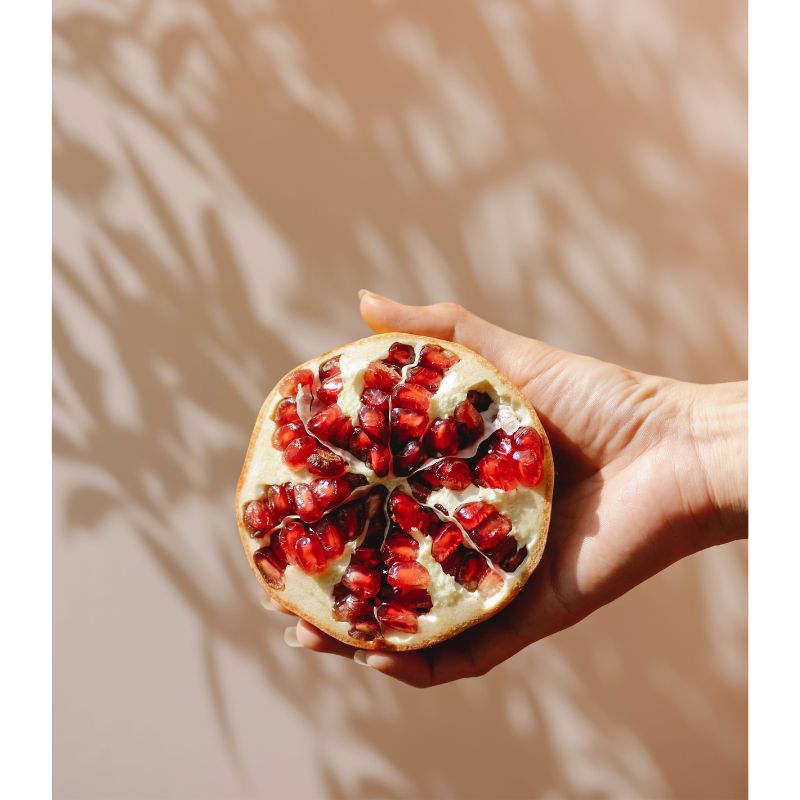
Why CoQ10 is so important for your energy metabolism
Every cell in your body contains mitochondria—tiny "energy factories" that produce ATP, the fuel your body runs on. CoQ10 is a key facilitator in these cells. When your supply decreases, this process slows down.
You can feel this in your daily life, for example by:
- get tired faster
- less stamina
- need longer to recover after exertion
- a general feeling of "I'm done"
You don't have to be an intensive athlete for that. Even busy workdays, mental burden or a few too short nights may be enough to notice that difference.
Oxidative stress: a silent energy drain
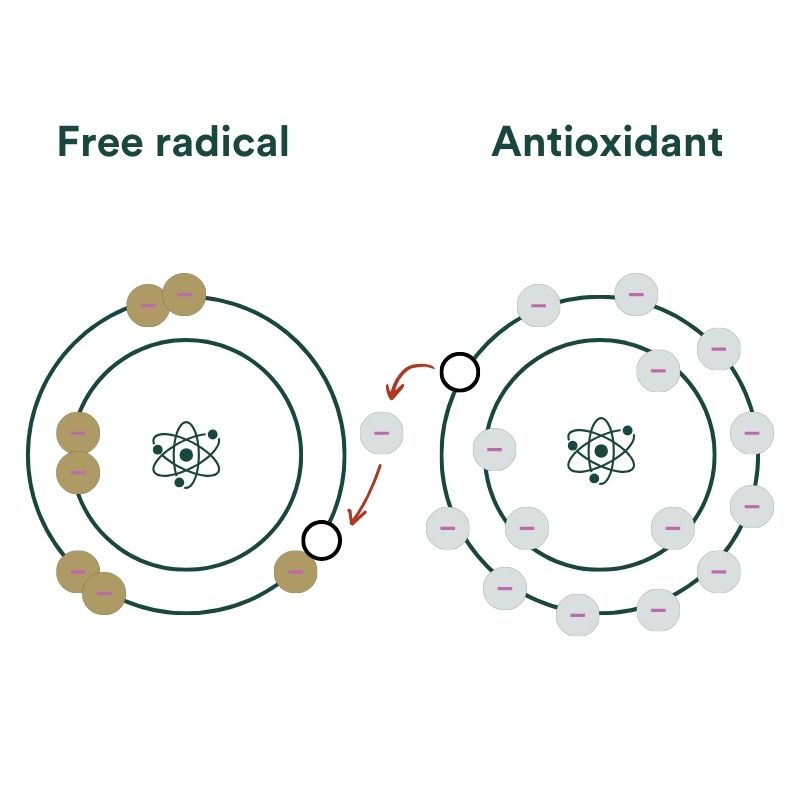
CoQ10 not only supports energy production, but also works as antioxidant. This means it helps protect cells from oxidative stress – a kind of internal pressure that occurs when there are too many free radicals present.
These free radicals are released, among other things, by:
- intensive sports
- a lot of stress
- a less balanced diet
- air pollution
- sleep deprivation
Your body can handle a lot, but if the balance remains disrupted for a long time, it can strain your cells. CoQ10 helps maintain that balance better.
CoQ10 and aging: what exactly changes?
It's common knowledge that CoQ10 production declines with age. What's less commonly explained is how this works.
As we grow older:
- mitochondria become less efficient
- do you need more energy for recovery processes
- natural production capacity decreases
That explains why your energy levels sometimes feel different than before, even if you're not doing anything "wrong." Additional support can help compensate for the difference.

When might you need extra CoQ10?
There are times when your body uses more energy than usual. Recovering from illness, intense training, stressful weeks, lack of sleep, or taking certain medications (such as some cholesterol-lowering drugs) can increase your energy needs. CoQ10 isn't a magic bullet, but it can help support your natural energy production when your body is under stress.

Why Coenzyme Q10 supplements can be helpful
Because food often doesn't provide enough CoQ10, and supplements allow you to know exactly how much you're taking, many people choose a supplemental form. At Insentials, you'll find CoQ10 back in various formulas that focus on energy, recovery and vitality.
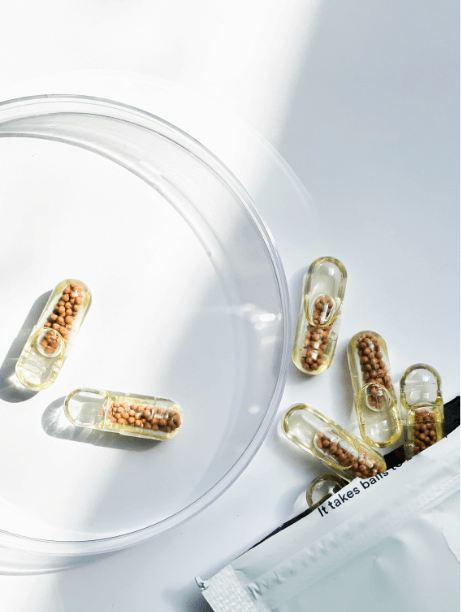
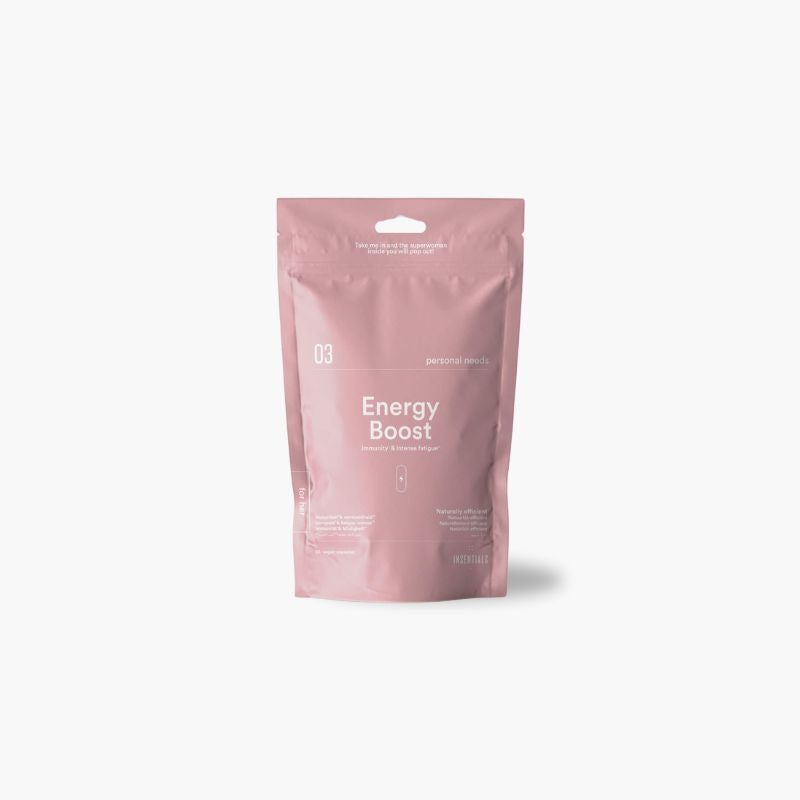
Inentials Energy Boost
Energy Boost combines CoQ10 with magnesium bisglycinate, zinc, and ginseng. This combination is no coincidence:
- magnesium supports normal energy metabolism
- zinc contributes to the normal functioning of the immune system
- ginseng is known for its role in mental and physical performance
- CoQ10 supports energy production in your cells
The idea behind this blend is that energy is not a single process: your body needs multiple building blocks to function properly.
Insentials Smart Vitamins
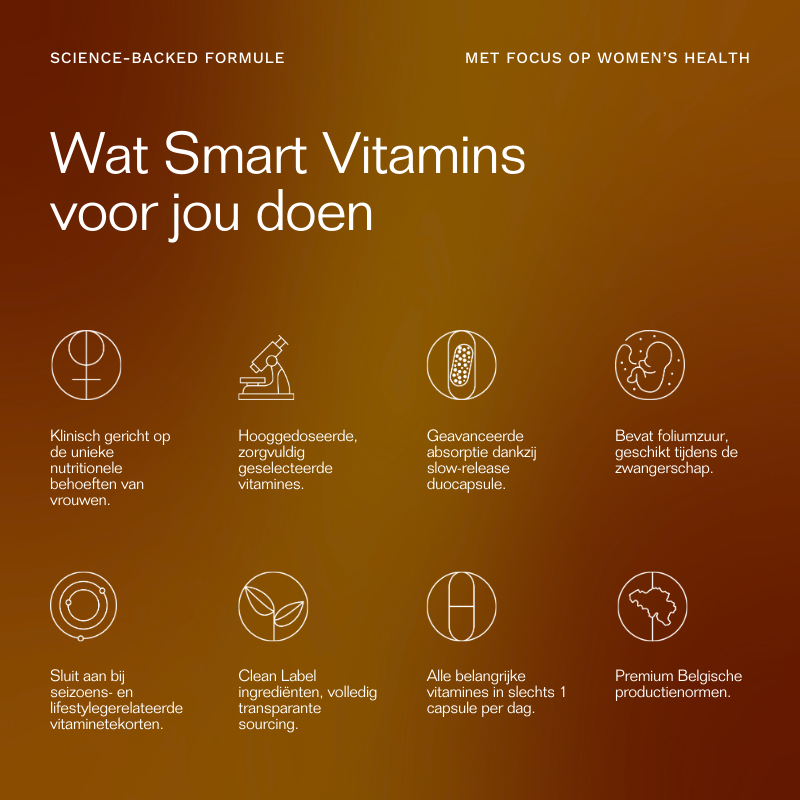
Both Smart Vitamins for Her as Smart Vitamins for Him contain CoQ10, along with a range of other micronutrients. They are designed to:
- to support your energy level
- to help maintain your cellular vitality
- to meet daily shortages
The formulas are tailored to the different needs of men and women, but CoQ10 is an important pillar in both.
How can you support your CoQ10 levels yourself?
Besides supplements, there are a few simple lifestyle adjustments that will help your body use energy more efficiently:
- Eat a varied diet
Green vegetables, whole grains, and fish remain beneficial, even if they are not packed with CoQ10.
- Limit long-term stress
Chronic stress takes a lot of energy. Even short breaks, breathing exercises, or a walk can make a difference.
- Get enough sleep
During the night your body recovers – also at the cellular level. Good sleep thus also indirectly supports the processes in which CoQ10 is involved.
- Keep moving
Regular exercise improves the efficiency of your mitochondria. Gentle sessions in between help prevent oxidative stress.


