What a prebiotic supplement can do for your gut
Gut health is getting more and more attention, and rightly so. The state of our gut has an undeniable impact on things like our immunity and even our mental health. When people experience digestive issues, they often reach straight for probiotics. However, what is often overlooked, yet just as important, are prebiotics. In this blog, you will discover what prebiotics are, how they work, and when taking a prebiotic supplement makes sense.

Summary
What are prebiotics?
Why should you use a prebiotic supplement?
Prebiotics naturally occur in many foods such as onions, leeks, artichokes, and oats. However, many people still don’t reach the recommended daily intake of fiber. According to European data, the average intake remains below 20 grams per day, while 25 to 30 grams should be the minimum.¹
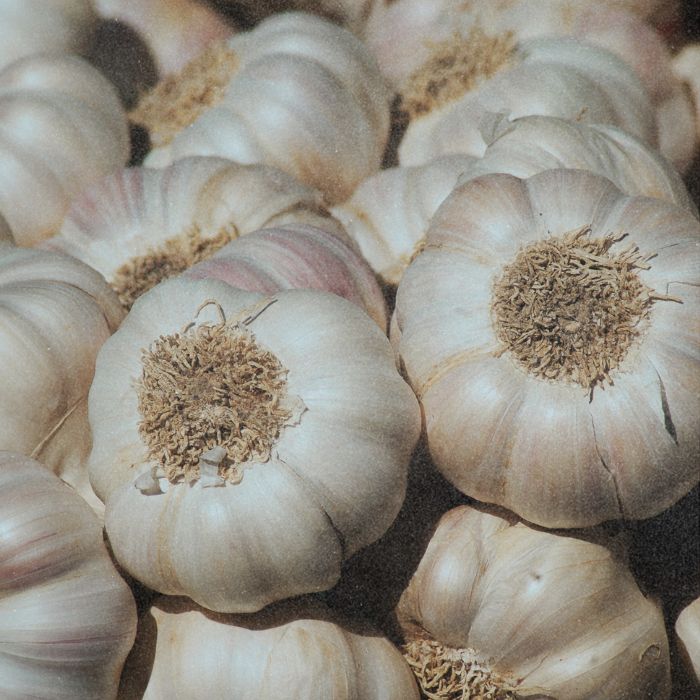
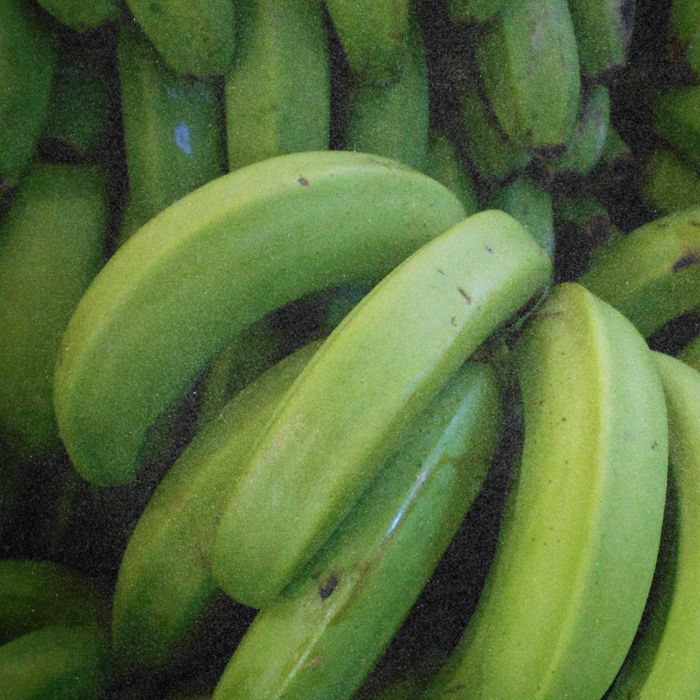
When you eat garlic, oats, or an unripe banana, certain fibers remain largely undigested. That’s not a flaw in your digestion, it’s a clever feature. These fibers make their way to your large intestine, where they serve as food for beneficial bacteria, or probiotics.
Prebiotics are therefore indigestible dietary fibers that truly come to life in your large intestine. There, they become a feast for beneficial bacteria such as bifidobacteria and lactobacilli. This gives the good bacteria a boost, which in turn supports your gut health.
Research confirms that prebiotics can improve bacterial diversity in the gut and contribute to a stronger intestinal barrier.
Tip: Also read our blog “The Gut Microbiome: The Key to Your Health.”

With the busy lives we lead, it’s not always possible to cook fresh meals every day. That’s why a prebiotic supplement can be beneficial. It can also be helpful after a course of antibiotics or during periods of stress, when the gut flora may become temporarily unbalanced.
Different types of prebiotics
Not every type of fibre is automatically prebiotic. The following types are prebiotic and are most commonly found in supplements:
Inulin
Inulin is found in chicory and salsify, amongst other sources. It promotes the growth of bifidobacteria and has been well researched. The Prebiotic Potential of Inulin-Type Fructans: A Systematic Review (2021), for example, examines the effects of inulin-type prebiotics in detail and states that these fibres consistently stimulate the growth of Bifidobacterium and other beneficial bacteria. ²
Fructo-oligosaccharides (FOS)
Fructo-oligosaccharides, also known as FOS, are short fibre chains that are rapidly fermentable and are often well tolerated.
Galacto-oligosaccharides (GOS)
GOS, or galacto-oligosaccharides, are short chains of sugar molecules composed of galactose, a milk sugar. GOS occur naturally in small quantities in breast milk, but are usually produced industrially from lactose via an enzymatic process for use in supplements.
Both FOS and GOS are fermented in the large intestine by beneficial bacteria, but the rate of fermentation and gas production can vary from person to person. For example, some people experience less flatulence or abdominal discomfort with GOS than with FOS, but this varies from person to person and depends on the dosage and intestinal sensitivity.
Resistant starch
Resistant starch is a form of starch which, unlike ordinary starch, is not digested in the small intestine. It reaches the large intestine intact, where it serves as a nutrient for certain gut bacteria.
The production of butyrate stands out in particular. This is a short-chain fatty acid that has a beneficial effect on the intestinal wall, according to research published in Current Opinion in Clinical Nutrition and Metabolic Care. ³
Resistant starch is found in, amongst other things, unripe bananas, lentils, beans and cooled potatoes or rice.
Arabinoxylans
Arabinoxylans are fibre-like substances that occur naturally in grains, particularly in rye and barley. They reach the large intestine undigested and can serve as a food source for beneficial bacteria there. This type of fibre appears to be particularly effective in supporting a balanced gut flora, especially in people who eat little fibre.
How do prebiotics support the microbiome?
Prebiotics feed the ‘good’ bacteria that are already present in your gut. These bacteria then produce beneficial substances such as short-chain fatty acids, including butyrate. These can support the gut lining and may have anti-inflammatory effects.
According to a review study in Cell Host & Microbe, a stable, diverse microbiome is associated with better gut function.⁴
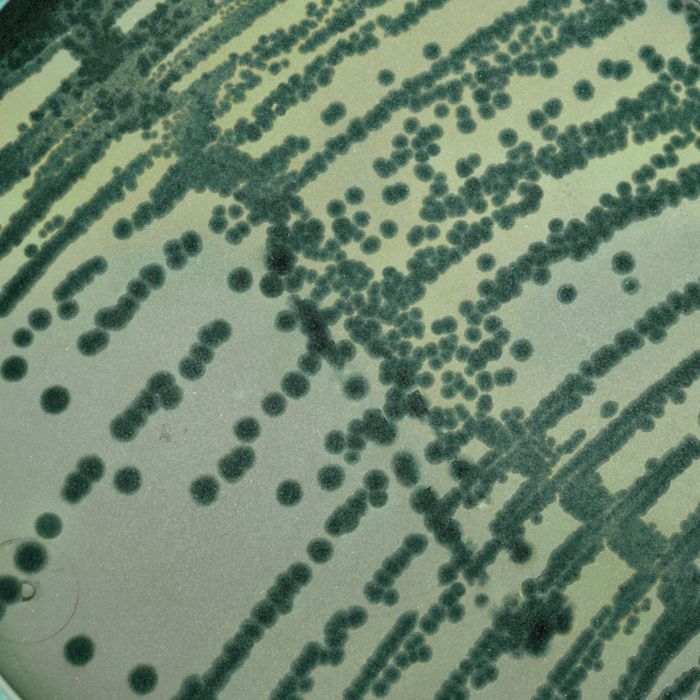
A prebiotic supplement doesn’t help directly, but it nourishes the bacteria, which in turn support your health.
Daily dietary tips for getting prebiotics
With a few small changes to your diet, you can boost your intake of natural prebiotics. Here are a few dietary tips:
- Try having porridge or lentils for lunch
- Add green banana to your yoghurt
- Choose whole grains such as rye
- Try incorporating root vegetables such as parsnips or salsify into your evening meal
These foods provide fermentable fibre that acts as food for good gut bacteria. However: they often contain only small amounts of specific prebiotic fibres. Especially if your gut could do with some extra support, this is often not enough.
Een prebiotica supplement dat verder gaat
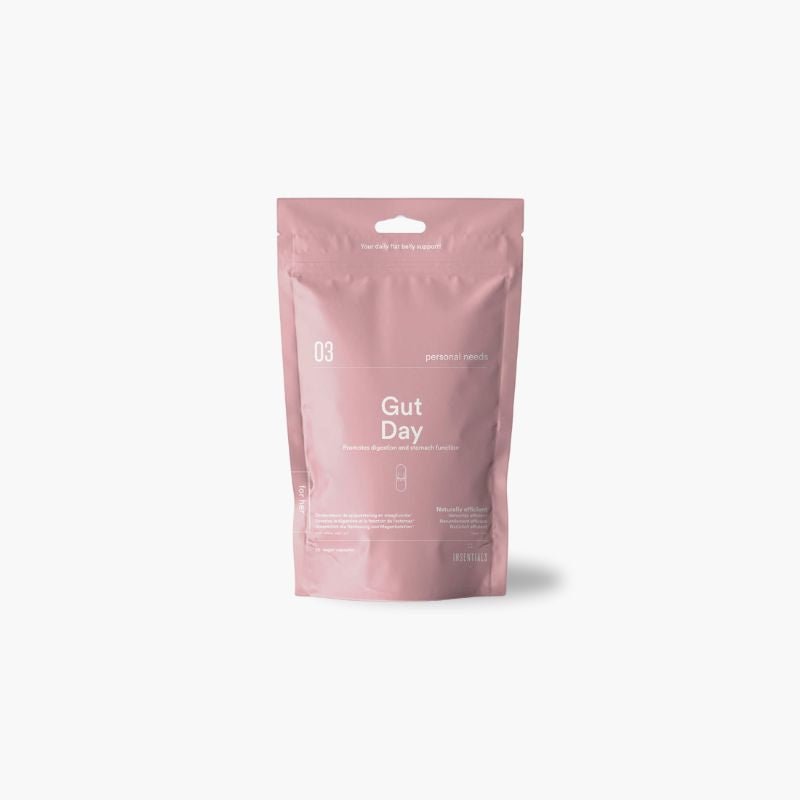
Anyone looking to support healthy gut flora on a daily basis may benefit from a supplement that combines both prebiotics and probiotics. Gut Day contains a blend of scientifically researched bacterial strains and a natural source of prebiotic fibre from white bean extract.
White beans provide fermentable carbohydrates that support the growth of beneficial bacteria. By combining these fibres with live bacteria in a single formula, the chances of the microbiome restoring its balance and remaining more stable are increased.
A prebiotic supplement is a smart addition for anyone looking to specifically support their gut flora. Especially when your diet is lacking or your gut could do with some extra care, a well-chosen supplement can make all the difference.
By choosing scientifically backed ingredients and using them consistently, you give your gut exactly what it needs to stay in balance. You’ll see and feel the difference, inside and out.
¹ Lattimer, J. M., & Haub, M. D. (2010). Effects of dietary fiber and its components on metabolic health. Nutrients, 2(7), 1266–1289. https://doi.org/10.3390/nu2121266
² Hughes, R. L., Alvarado, D. A., Swanson, K. S., & Holscher, H. D. (2022). The prebiotic potential of inulin‑type fructans: A systematic review. Advances in Nutrition, 13(2), 492–529. https://doi.org/10.1093/advances/nmab119
³ Canani, R. B., Costanzo, M. D., Leone, L., Pedata, M., Meli, R., & Calignano, A. (2011, March 28). Potential beneficial effects of butyrate in intestinal and extraintestinal diseases. World Journal of Gastroenterology, 17(12), 1519–1528. https://doi.org/10.3748/wjg.v17.i12.1519
⁴ Lozupone, C. A., Stombaugh, J. I., Gordon, J. I., Jansson, J. K., & Knight, R. (2012). Diversity, stability, and resilience of the human gut microbiota. Nature, 489(7415), 220–230. https://doi.org/10.1038/nature11550