


Podcast episode 30: Plastic surgeon Barbara Craggs on ageing gracefully
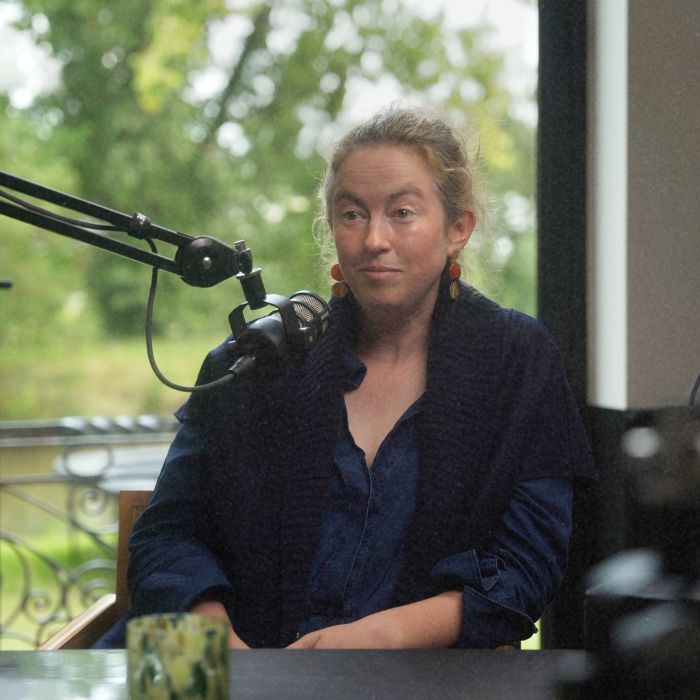
In this episode, we are joined by plastic surgeon Dr Barbara Craggs. We reveal the three most popular aesthetic treatments and discuss the impact of social media. We also explore the role of bio-identical hormones, strength training and supplements. An open and honest conversation that shows that beauty doesn’t stop at the menopause, but can actually evolve into greater strength and self-confidence.

Summary
Over Dr. Barbara Craggs
Barbara Craggs is a plastic, reconstructive and cosmetic surgeon. She works at the Sint-Vincentius Ziekenhuis-Maria Middelares in Deinze and also runs her own private practice. Her patients are mainly women. They come to see her either because of underlying medical conditions or for cosmetic reasons.
Mooi ouder worden
Dr Craggs explains that she is increasingly able to empathise with her patients as she gets older herself. Most patients are realistic and simply want to age gracefully. However, there is certainly a risk of unrealistic expectations being fuelled by social media.
“Social media spreads a lot of misinformation. As doctors and healthcare professionals, we must ensure that everyone has access to the correct information,” says Dr Craggs.
The three most popular cosmetic procedures among women
- Eyelid surgery
- Breast augmentation or reduction
- Tummy tucks and liposuction
Cosmetic surgery during the menopause
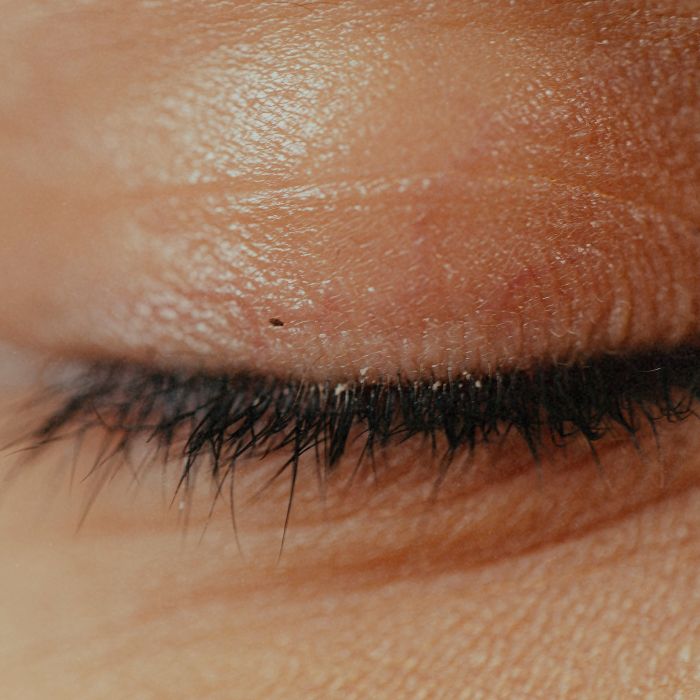
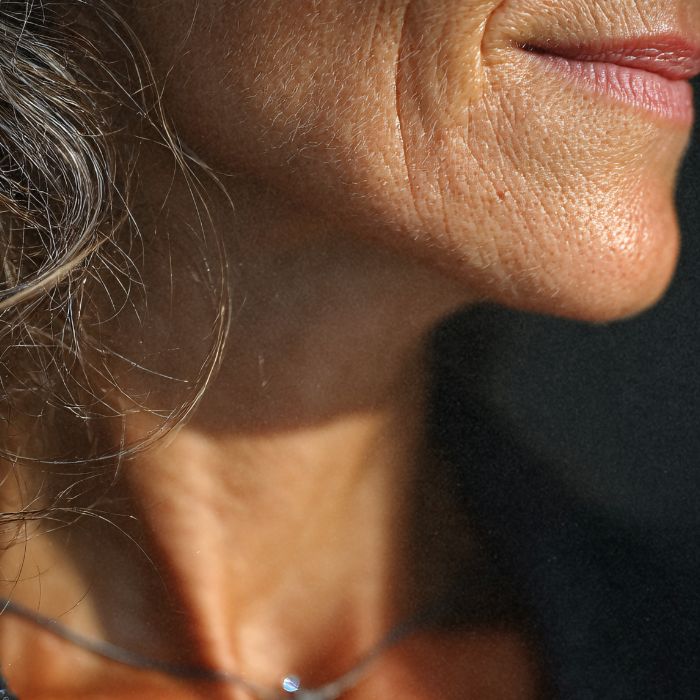
During the menopause, your body changes. For example, there is a loss of firmness, causing your skin and fat volume to sag. Your face changes from a V-shape to an inverted V-shape. Dr Craggs: “You can initially correct this with injectables. If that is no longer sufficient, you can opt for a facelift and surgical correction to firm up your jawline. For many women, the neck is also a very difficult area.”
It is important, however, that the overall look remains harmonious. If you have had only Botox for years, you can sometimes end up with a mismatch between the upper and lower parts of the face: wrinkle-free at the top and deep lines and sagging at the bottom. “In that case, it is better to taper off the Botox or stop it temporarily so that the balance is restored,” says Dr Craggs. “Alternatively, you need to intervene in the lower part to redistribute volume.”
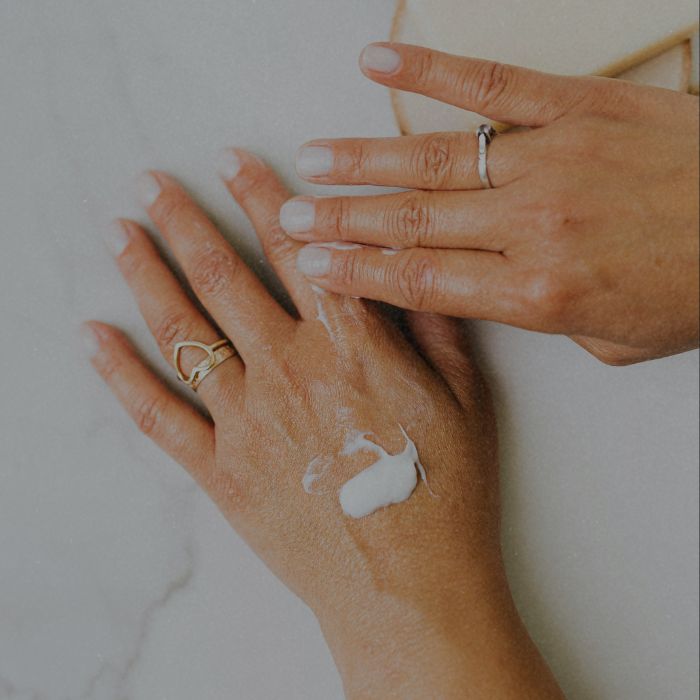
What can you do about ageing hands?
Amandine notes that a facelift can produce excellent results, but that there is sometimes a stark contrast with the hands. Is there anything that can be done about this?
Dr Craggs: “Anything you do for the face can also be done for the hands. First and foremost, prevention – applying SPF 50 every single day – but also treatments. Think of the CO2 laser for pigmentation spots, fillers and biosimulators. By combining these three, you can ensure that your hands age just as beautifully as your face.”
Het effect van bio-identieke hormonen
If you undergo treatment with bioidentical hormones, your skin will age more slowly during the menopause. This means fewer wrinkles and less sagging. Of course, your lifestyle also plays a major role in skin ageing. Smoking and sun exposure are the biggest culprits. And exercise is a must – ideally a combination of cardio and strength training to prevent osteoporosis.
Amandine: “Bio-identical hormones also have a positive effect on osteoporosis and your mental wellbeing. Unfortunately, many women are still afraid to take them.”
Esthetische ingrepen voor slappe armen
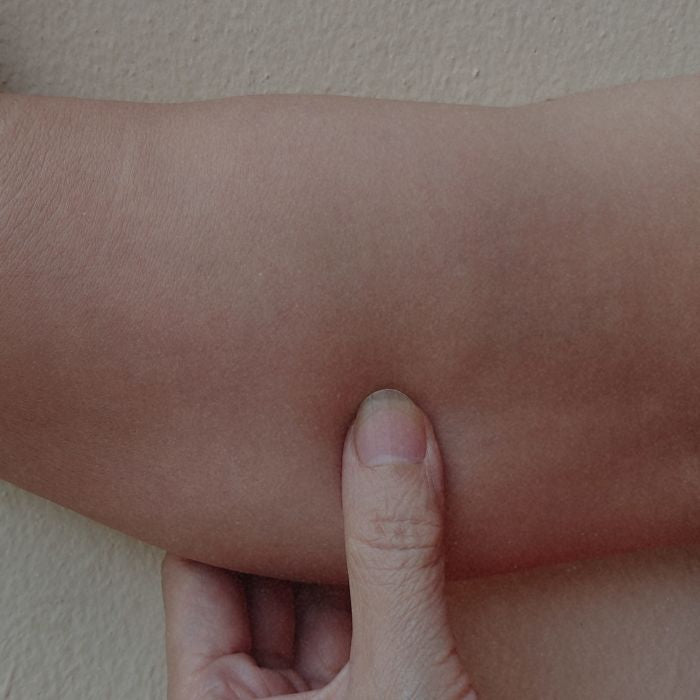
Those dreaded flabby arms, or ‘bingo wings’: nobody wants them, but they sometimes seem inevitable – or do they? “If you don’t become significantly overweight, your arms won’t become heavy either,” says Dr Craggs. “Some women are genetically predisposed and are more prone to developing sagging skin on the underside of their arms. Muscle exercises can do little to help with that. You can improve the firmness of that loose skin somewhat by exercising your muscles and thus making them bigger, but that does nothing to address the loose skin itself.”
“If it’s really bothersome, you could consider surgery: a combination of liposuction and the removal of excess skin. But then you’ll be left with a large scar.”
Plastic surgery or acceptance
Dr Craggs does not address every question patients ask. During an initial consultation, she always tries to identify the root of the question and what the underlying issue is. “Having a breast augmentation to save your relationship is not a good idea. Even if a patient is being pressured by their partner or has been made to feel inferior, that’s a major red flag for me.”
Sometimes Dr Craggs suggests to her patients that they change their style of dress as an alternative to plastic surgery. “Many older ladies still look fantastic without Botox, fillers or surgery. They’re simply comfortable in their own skin and know what they want.” It’s all about being able to accept yourself. “And don’t forget: nobody’s perfect, not even the people you follow on social media.”
Time to recover after surgery
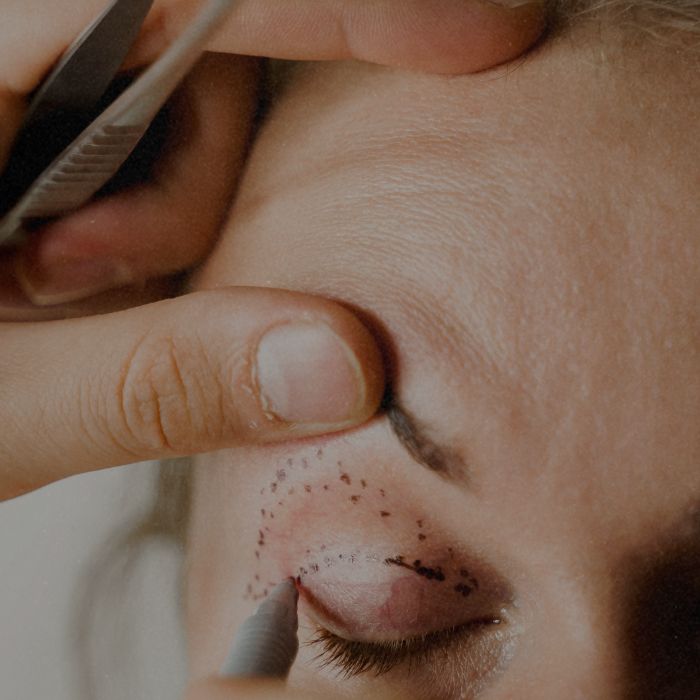
Dr Craggs is active on social media herself, where she shares accurate information to counterbalance the wealth of incorrect or misleading information. On social media, it sometimes seems as though you can schedule plastic surgery between two parties, but that is simply not the case. Plastic surgery is still a procedure performed under anaesthesia, and the recovery afterwards can be tough, she warns.
“Your body really needs time to recover,” says Dr Craggs. “Sometimes you even have to proceed in stages. For some people, that’s a reality check, because our society is geared towards quick fixes.”
The role of a healthy diet
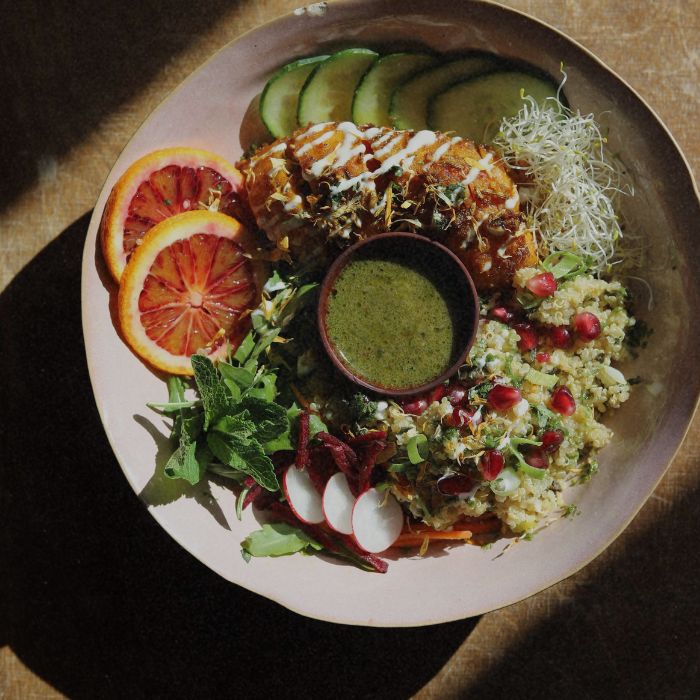
Diet is also important in combating skin ageing. But often there is no time left to cook healthy, fresh meals. On top of that, many vitamins are lost during the cooking or storage process. And due to soil depletion, there are far fewer vitamins in our food than there were, say, 50 years ago. “As a result, even people who eat healthily and avoid ultra-processed foods can still suffer from deficiencies,” says Dr Craggs.
Supplements are part of a healthy lifestyle
Amandine confirms: “A healthy diet is no longer enough these days, partly because our needs have changed.”
For example, stress affects vitamin B12 levels, which in turn are linked to energy levels in women. Vitamin D and folic acid are also hugely important. So if your needs are higher, you can certainly take supplements.
“Of course, they can never replace a healthy diet and exercise. It must always be a combination – everything in balance.”

Read more articles related to this blog post.